Premise


Some stray thoughts on premise. In the UCB manual, premise is defined as:
[T]he term used to describe a fully-formed comedic idea found in an opening that strongly suggests a Game.
— Besser, Roberts, and Walsh, The Upright Citizens Brigade Comedy Improvisation Manual, p. 94
I don't remember the first place I heard it, maybe Sebastian Conelli in the context of the Pattern Game, but premise was once defined for me as "base reality + unusual thing." What would be better, he said, would be to link base reality and unusual thing with a coordinating conjunction. In English, I learned these with the acronym "FANBOYS."
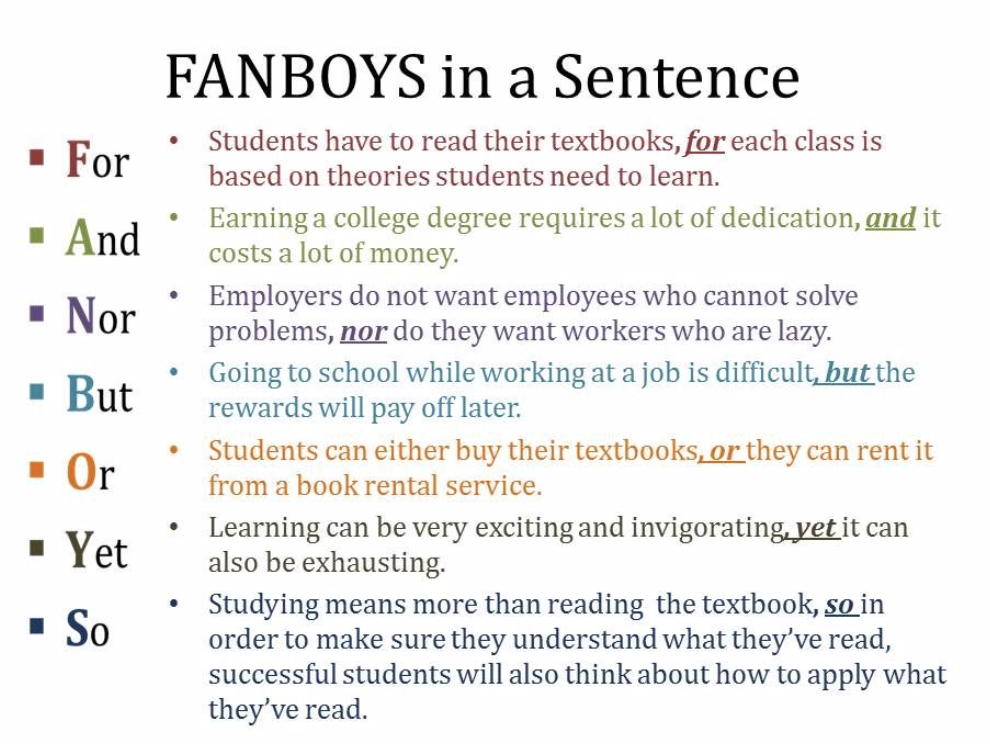
Pattern game openings are always challenging to replicate for an example. But say you get to something like "..., Hamsters, Hoarders." Maybe the premise you can pitch is something like Hordes FOR Hamsters which you might pitch as "Banks for Hamsters." This is a base reality, "bank," with an unusual thing, "hamster." We can complete the base reality of the premise by riffing on the who/what/where.
The Who (maybe this will be a scene with two hamster characters):
Hello, I'd like a deposit slip to put this food nugget into my own cheeks.
The What (maybe this will be a scene with a parent depositing a beloved hamster in a bank to keep it safe):
Yes, I understand that the hamster will be living here, Mr. Teller, I plan to deposit my child here as well!
The Where (maybe the bank is in a hamster cage):
I'll tell you, Flo, I am exhausted today. reaches over and drinks from an upside-down pet bottle
Another quick premise tip would be to reverse those things, so if "Banks for Hamsters" doesn't do anything for you maybe try reversing it to "Hamsters for Banks." So, if we return to the pattern game for a moment, "..., Hamsters, Hoarders." might be:
- Hamsters AND Horders ➡️ These people may only harde hamsters for some reason.
- Hamsters NOR Horders ➡️ Let's clean out Grandpas house of all the hampsters he picked up over the years.
- Hamsters BUT Horders ➡️ Honey, we're cleaning out this whole house to make way for all the hamsters.
- Horders OR Hamsters ➡️ Roommates, we can only collect hamsters or baseball cards. we have to to pick!
- Horders YET Hamsters ➡️ Fellow hamsters, our cage is too cluttered and this will not do.
- Horders SO Hamsters ➡️ Steven, this office is a mess and I have chosen to embrace it as a hamster lifestyle.
I think that list shows to value of picking those two lego peices and then thinking about how you want to connect them to make the kind of soil you want to farm your game in.
I'll also say on the subject of premise that I don't think I grasped what a fun playable premise was until I got reps in both the pattern game AND monologue opening. Also, if I see a mistake newer players make, it's picking premises that are neither fun nor playable, which is like attaching a 100-pound weight to your scene before you even get started.
So whenever or however you're pulling premises, my suggestion is to try to pull a base reality (who/what/where) + unusual thing from your source.