Croissant Craft


I think craft is important. I think the audience is important. I think how I feel about my performance is important. I know some improvisers who don't care about the craft, and at least in some cases, winging it seems to work for them. I also know some improvisers who don't care about what the audience thinks. I don't want to say that any of these approaches is better than another; there's a spectrum here to be sure, but this exchange between Ryan Coogler and Ben Stiller resonated with me.

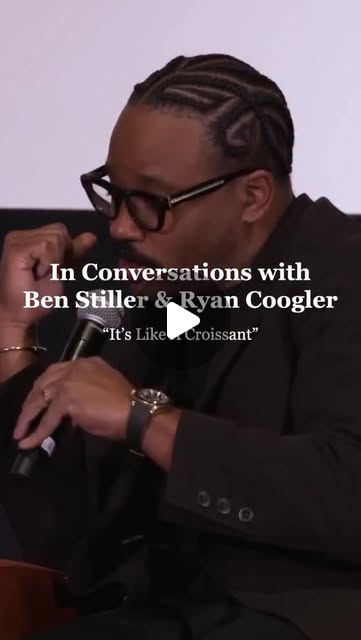
Ryan Coogler: “Over the pandemic, like everybody, I started baking, but unlike everybody, I never stopped. So, so I'm still, I'm still baking all the time. And one of the first things, one of the first, what are you—”
Ben Stiller: “Baking?”
Ryan Coogler: “I make, I make sourdough mostly, but also, also, like anything, any bake good. First thing I, I tried to learn how to do is make a croissant, and I quickly discovered it's like a three-day process, and it's like really fucking complicated. A lot of measuring, and and I—”
Ben Stiller: “can't imagine. And—”
Ryan Coogler: “a lot of you gotta like, and the butter gotta be a certain quality. It's gotta be kept at a certain temperature, or else you'll fuck it up. But my whole entire life, I just thought a croissant was like some easy shit you go grab at the donut shop. I don't even think about like how many layers is in it when you bite into it. I never thought about the flakes and and how much work and science it takes. I just know croissants taste good. So for me, I was thinking about this movie like a croissant. Some people, some people like they bake, they gonna cut the croissant open. They gonna count how many layers are in it. They gonna taste the quality of the butter and all of that shit. And that's cool for some people. You feel me? Like most people just want to eat a. I just want some quick for breakfast. I was trying to do was make a movie that that that that worked for everybody who was hungry and for people who who like to break down the layers and and and really dig into it. It's like it's there for them. You know what I mean? It would discover like a lot of folding and good quality ingredients. But people who just was like, "Fuck it! I just want a croissant. It's there for them too. You know what I mean? And they'll be and they'll be happy if that if that makes sense.”
[transcript lightly edited]
When I'm performing, I don't think... civilians—for want of a better term—really care about how strong my game is. They aren't counting the layers of the croissant. I do think they care about whether it's entertaining, and the idea behind the craft is to support entertainment or people who just want a tasty breakfast. That said, audiences also want something more than to be made to laugh.
If a player begins making jokes at the expense of a scene, he has nothing to fall back on when the jokes fail. If a scene is not getting laughs, however, the performers don't need to worry, as long as they are being true to their scene. They only need to be patient. The laughs will come soon enough from connections — and the connections cannot be avoided.
Truth in Comedy - pg. 16
Where I am with performing is trying to move from the mechanics, skills, and training into the freedom and style the mechanics, skills, and training can support. The crystal quantum moment of doing something for me/you that the best of art is.